


How to Choose Prescription Running Glasses

Prescription running glasses need to work with the way you move. A frame can look right in a photograph and still sit too low, press at the bridge, or feel different once you start running. The most useful comparison starts with fit, then moves to the lens choices available for your prescription and your usual route.
This guide helps you make that comparison without relying on a single feature or a list of generic recommendations. Start with our running glasses and sunglasses collection, then use the questions below to narrow your choices.
Start with the running problem you want to solve
Think about your current eyewear. Does it slide when you move? Do the temples feel uncomfortable? Is the frame wider than you need? Are you trying to choose lenses for a route that changes from open sunlight to shade?
Write down the one or two things you most want to improve. That gives you a useful brief when you compare products or ask for help. Someone replacing a loose frame has a different starting point from someone ordering a first pair of prescription sunglasses.
Compare fit using more than lens width
If you own glasses that fit well, use them as a reference. Many frames carry measurements for lens width, bridge width, and temple length. Compare those with the candidate frame, while remembering that the overall shape and construction affect fit too.
Lens width is the width of one lens opening. It is not the complete width of the front of a frame. Two frames with similar lens measurements can sit differently because their bridges, curves, and temples differ.
Our frame fit information can help you prepare a useful comparison. If you are unsure, contact us with the model you currently wear and the frame you are considering.
Check the bridge and temples
Look at where the bridge touches your nose and whether the frame stays level. The temples should sit comfortably without needing you to force the frame into place. If you use a cap or other equipment while running, consider how the whole setup feels together.
When assessing a frame you already have in hand, look forward, glance down, and move your head as you normally would. Pay attention to movement and pressure rather than judging the fit from a still photograph.
Compare available lens configurations
Start with your usual running conditions. Do you mostly run in bright daylight, on shaded routes, or at times when the light changes during the run? Then check the actual lens choices offered for the frame you prefer.
- Clear lenses: compare these if you want a prescription option without a sunglass tint.
- Tinted or polarized options: review the product's available sun lens choices and their intended use.
- Light-responsive options: check the specific lens offered and ask whether it suits your route and expectations.
Availability varies by model. A lens option mentioned elsewhere on the site is not automatically available with every frame or prescription. The product configuration and your prescription should be checked together.
Check prescription compatibility early
Have your current prescription ready before you settle on a frame. Tell us if you need a specific lens type or have previously had difficulty finding a suitable sport frame. This lets our team check the available configuration before you spend time comparing colors or accessories.
If you wear progressive lenses, discuss your normal running setup and what you are accustomed to. If your prescription is stronger or includes another particular requirement, ask us to check the frame and lens combination rather than assuming that every prescription-capable frame supports the same range.
Visit our prescription information page for the ordering details, or contact our team with the model name and your question.
Use frame features to build a shortlist
A shortlist of two or three models is usually more useful than comparing the entire collection. Look for a specific design feature that addresses your need, then compare the full fit and available configuration.
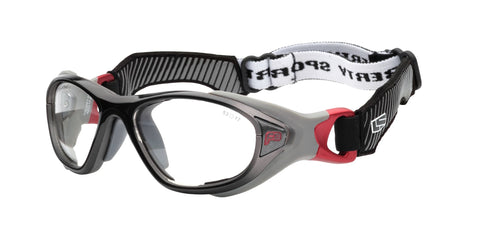
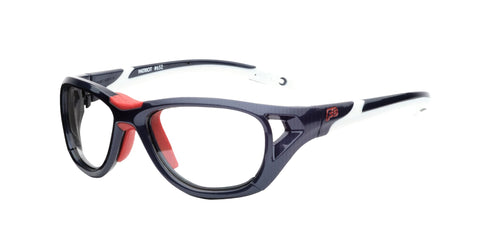
- Rally is a model to compare when a smaller eye size is important.
- Panton offers an Autofit bridge and adjustable temple tips.
- Chaser is another prescription-capable wrap option to review.
These are starting points for comparison, not a guarantee of fit. Use measurements, your current frame, and advice from our team to narrow the choice.
Frame measurements at a glance
| Model | Lens width | Bridge width | Feature to compare |
|---|---|---|---|
| Rally | 56 mm | 20 mm | Smaller eye size and removable magnetic side shields |
| Panton | 60 mm | 21 mm | Autofit bridge and adjustable temple tips |
| Chaser | 60 mm | 18 mm | Autofit technology in a wrap frame |
Lens width measures one lens opening; bridge width measures the distance between the lens openings. These are not total frame widths. Compare the full frame shape as well as the numbers.
Prepare your order
- Choose the frame and check its current options.
- Confirm the configuration can meet your prescription needs.
- Compare the dimensions with eyewear you know.
- Review the lens choices for your usual running conditions.
- Check what is included and the current ordering and return terms.
If you want to explore Home Try-On, review how the program works and the selections currently offered. Try-on availability and purchase availability are separate, so check the specific option you want.
Frequently asked questions
Can I buy running glasses with clear prescription lenses?
Check the lens options for the frame you are considering. Selected models offer clear configurations as well as sun lens choices. Ask our team to confirm the option for your prescription.
How do I choose prescription running glasses for a smaller face?
Start with frames designed with a smaller eye size, then compare bridge fit, temple fit, and the overall frame shape. The lens measurement alone does not establish the total frame width.
Are interchangeable lenses available with every running frame?
Check the individual product design and configuration. Removable side shields and interchangeable lenses are different features, so make sure the product offers the feature you want.
What should I send when asking for help?
Include your current prescription, the model you are considering, and the name or measurements of a frame that fits you well. Explain the issue you want to solve, such as movement, bridge pressure, or a particular lens requirement.
Compare running glasses and sunglasses or ask us to help narrow your shortlist.