
Prescription Football Glasses for Kids: A Helmet-Fit Buying Guide
Prescription Football Glasses for Kids: A Helmet-Fit Buying Guide
Choosing prescription football glasses for a child means considering two pieces of equipment together: the eyewear and the helmet. A frame can feel comfortable by itself and feel quite different once the helmet is on.
Start with the child's actual prescription needs, the helmet they use and the rules for their team or league. Then compare frames designed for the intended activity. Our football glasses and goggles collection is a starting point for that conversation.
Bring the helmet into the decision early
Before ordering, write down the helmet brand, model and size. If the child has recently changed helmets or is due for a fitting, resolve that first with the person responsible for their equipment.
Ask about compatibility with that specific setup. “Fits under a helmet” should not be treated as a promise that one frame works with every helmet, head shape or prescription.
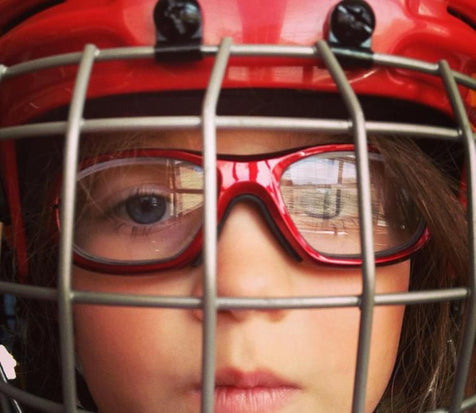
Eyewear should work with a helmet that is fitted as intended. Do not remove padding, alter equipment or compromise helmet fit to make room for a frame. If the combination is uncomfortable or changes the way the helmet sits, ask for another eyewear option and a qualified equipment-fit check.
Check the sport and league requirements
Prescription lenses correct vision; they do not make every frame appropriate for football. Review the individual product's intended use and ask which frame-and-lens combinations suit your child's needs.
Check team or league rules for eyewear and helmet accessories before buying. A rating or approval for another sport does not automatically answer the football question, and prescription goggles do not replace required helmet or face protection.
For broader guidance, the American Academy of Pediatrics discusses sport-specific eye protection. Your child's eye-care professional can address any individual vision or protection needs.
Shortlist frames by fit, not age alone
A youth age range helps narrow a search, but it cannot confirm the fit. Compare frame dimensions and shapes, and note how your child's current eyewear fits.
Use the frame sizing guide to prepare a shortlist. Pay attention to the areas that will share space with helmet padding, including the sides of the head and the retention system. For a strap-style model, ask how the strap should be positioned with the intended helmet.
If a frame feels uncomfortable without the helmet, adding the helmet is unlikely to solve the underlying fit problem.
Use a simple helmet-fit checklist
With the helmet fitted according to its instructions and the eyewear positioned correctly, ask:
-
Does the helmet stay in its intended position?
-
Does the frame remain comfortable around the nose and sides of the face?
-
Does any padding push the eyewear out of place?
-
Is the wearer aware of a pressure point that was not present without the helmet?
-
Can the child describe what feels different between the shortlisted frames?
Make notes for each model and size. These observations help an Outfitter understand the issue and suggest an alternative. They are a shopping checklist, not a substitute for a professional equipment fitting or a test of impact protection.
Ask about lenses for the actual playing schedule
Explain whether the child mostly practices in daylight, plays evening games or moves between different conditions. Ask which prescription and lens options are available for the selected frame.
If fogging is a concern, discuss frame airflow and compatible lens coatings. Ask what a coating is designed to do and how it should be cared for. Avoid choosing on a promise of “never fogging”; conditions, fit and lens care all matter.
The lens-coating guide explains how to compare coating features without confusing them with the frame's sport suitability.
Compare frames at home when you need more time
Home Try-On can help you compare eligible frames before ordering a prescription pair. Have the usual helmet available so you can discuss the fit of the combination.
Keep the trial within the program's instructions. Do not use a home fitting as an impact test or assume trial frames are ready for football practice. If you cannot find a comfortable combination, ask for help before choosing the least uncomfortable option.
Prepare the prescription and timing
Review our prescription submission instructions and have the child's current eyeglasses prescription and PD ready. If the prescription has changed, tell the team before the order is finalized.
Check the current shipping and production information before planning around a first game. Include time to resolve missing information and confirm fit; an order date alone does not establish when a finished prescription pair will be ready.
Frequently asked questions
Will one pair of football goggles fit every helmet?
No universal fit should be assumed. The frame, wearer and helmet need to be considered together.
Can my child use everyday glasses under a helmet?
Do not assume ordinary glasses are suitable just because they fit in the available space. Ask about eyewear intended for the activity and check the team's equipment requirements.
What if the helmet pushes on the glasses?
Pause the selection and ask for fitting help. Do not change helmet padding or accept pressure as something the child simply has to tolerate.
Choose the combination before choosing the color
Browse football glasses and goggles, compare the available sizes and ask about your child's helmet and prescription. A useful shortlist begins with the complete fit, then moves to the color and lens options the athlete prefers.