Why Regular Glasses Aren’t Safe for Sports (And What to Wear Instead)
Introduction: The Hidden Risk of Wearing Everyday Glasses During Sports
It happens all the time: kids and adults show up to practice wearing their regular prescription glasses. They look normal, they feel comfortable, and they seem fine for everyday use — so why not wear them for sports?
Because regular glasses are not designed for impact, and during sports, impact always happens eventually.
From fast-moving balls to unexpected contact, everyday eyewear simply can’t withstand the force or movement of athletic play. In fact, wearing standard glasses during sports can increase the risk of eye injuries.
This guide explains the dangers and shows what athletes should wear instead.
Looking for approved alternatives? Explore our Sports Glasses & Sports Goggles Collection
Regular Glasses Can Break on Contact — Causing Serious Injury
Everyday frames are made from materials designed for comfort and style, not impact resistance. During sports, they can:
-
Snap under pressure
-
Send broken pieces toward the eye
-
Lose lenses during movement
-
Warp or bend easily
-
Slide off the face and become a hazard
A simple elbow, fall, or ball to the face can turn normal eyewear into a dangerous object.
Common Injuries Caused by Regular Glasses During Sports
-
Scratches to the eye
-
Cuts on the face or around the eye socket
-
Bruising from frame breakage
-
Corneal abrasions from flying lens fragments
Sports eyewear exists specifically to prevent these outcomes.
Regular Lenses Are Not Impact-Resistant
Most everyday lenses are made from basic plastic or high-index materials that can shatter or crack on impact.
Sports eyewear lenses, on the other hand, use polycarbonate or Trivex, which are:
-
Virtually shatter-proof
-
Built for high-velocity impact
-
Tested for extreme force
-
Lightweight and comfortable
This difference alone makes regular glasses unsafe for any athletic activity.
Regular Glasses Don’t Stay in Place During Movement
Sports involve:
-
Running
-
Jumping
-
Fast pivots
-
Sweat
-
Player contact
Regular glasses simply can’t keep up.
They slip down the nose, shift during rapid movement, and require constant adjusting — distracting the athlete and compromising performance.
How Sports Eyewear Solves This Problem
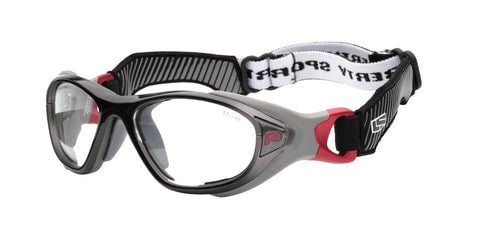
Sports glasses and goggles use:
-
Non-slip nose pads
-
Curved, wraparound frames
-
Adjustable straps
-
Retention systems that prevent shifting
These features keep vision stable and eyewear secure.
Regular Glasses Are Not ASTM F803 Certified
ASTM F803 is the gold standard for protective sports eyewear. It ensures frames and lenses can withstand extreme impact common in:
-
Basketball
-
Soccer
-
Racquetball & squash
-
Baseball
-
Football
-
Field hockey
Everyday glasses do not meet this standard and should never be worn for sports.
Sports eyewear, on the other hand, is tested to survive impacts that would destroy regular glasses instantly.
Kids and Teens Face Even Higher Risks
Youth athletes often receive the most eye injuries due to:
-
Hard-to-predict movement
-
Faster reaction environments
-
Limited awareness
-
Rougher play
If a child’s regular glasses break, the risk of facial and eye injury increases significantly.
Why Kids Need Sports Glasses or Goggles?
-
Better stability
-
Higher protection
-
More durable materials
-
Compatible with a wide range of prescriptions
Explore Kids’ Sports Glasses & Goggles
What to Wear Instead: Safe Alternatives to Regular Glasses
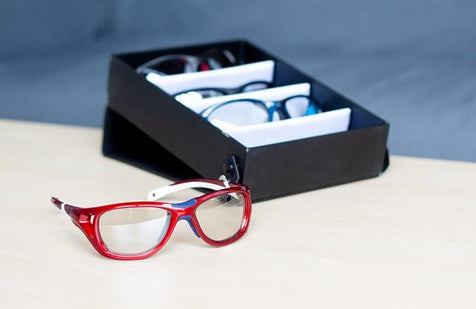
ASTM F803 Sports Glasses
Best for:
-
Baseball
-
Tennis
-
Track & field
-
PE class
-
Non-contact sports
Benefits:
-
Lightweight
-
Excellent visibility
-
Secure fit
-
Highly prescription-friendly
ASTM F803 Sports Goggles
Best for:
-
Basketball
-
Soccer
-
Football
-
Lacrosse
-
High-contact indoor sports
Benefits:
-
Maximum protection
-
Adjustable straps
-
Stays secure during hard play
-
Compatible with helmets
Prescription Sports Eyewear Options
Athletes who wear everyday glasses can still get clear, stable vision with:
-
Prescription sports glasses
-
Prescription sports goggles
-
Goggle inserts + prescription lenses
These options keep athletes safe while maintaining accurate vision.
How to Choose the Right Eyewear for Your Sport
Use this simple checklist:
Sport Type
Contact sport → Goggles
Non-contact sport → Glasses
Prescription Strength
High prescription → Sports glasses
Moderate prescription → Either glasses or goggles
Age of the Athlete
Younger athletes → Goggles recommended for stability and safety
League Requirements
Some leagues require ASTM F803 eyewear only.
Conclusion: Regular Glasses Are for Everyday Life — Not for Sports
Everyday glasses are perfect for school, work, and daily routines — but they are not designed for the speed, impact, or unpredictability of sports.
Sports glasses and sports goggles provide:
-
The right level of protection
-
Clear, stable vision
-
Proper fit and durability
-
Safety that meets sports standards